By James Murray-Hodcroft 13th September 2026
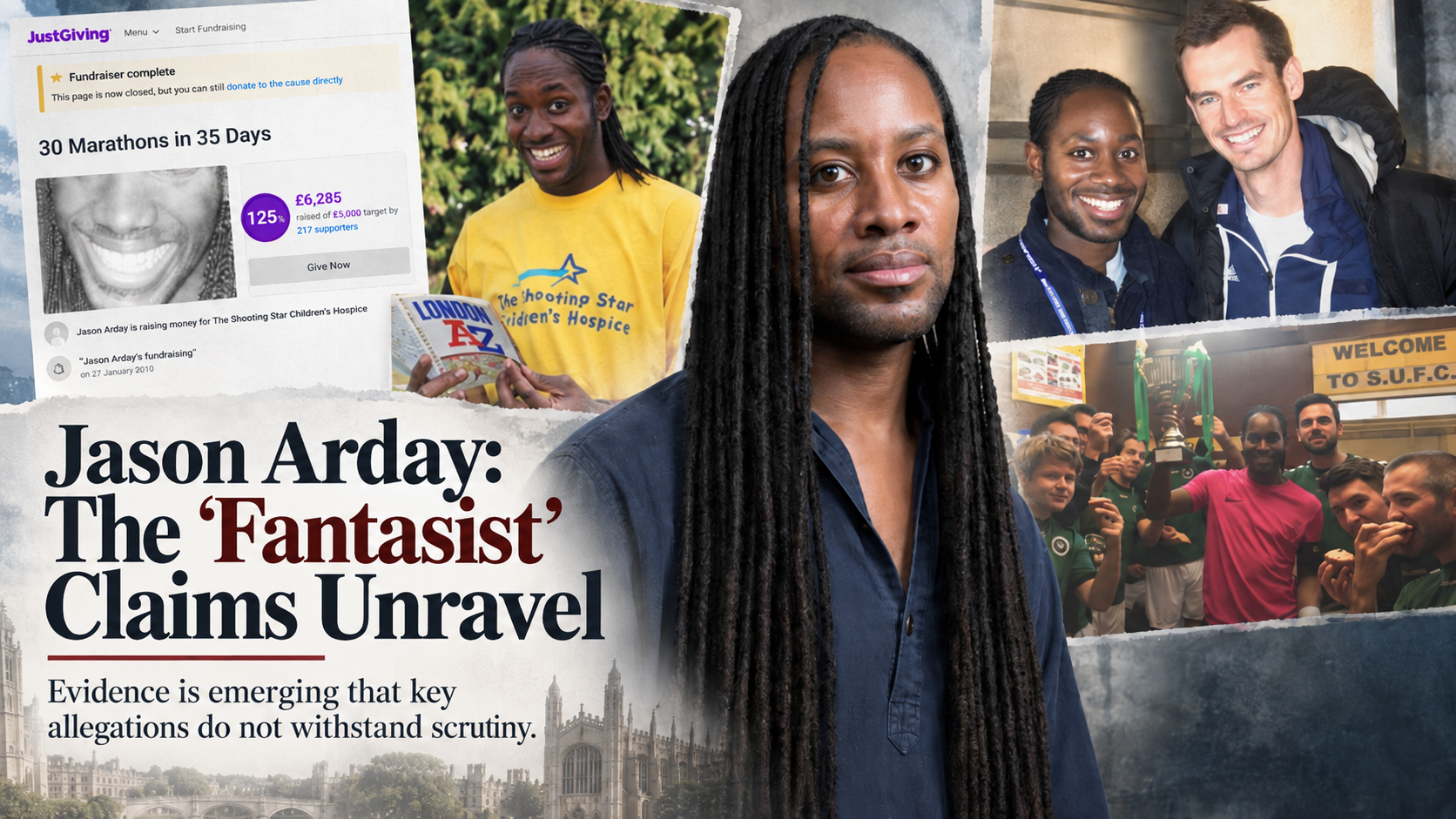
Professor Jason Arday was portrayed as a serial plagiarist and fantasist whose extraordinary life story unravelled under scrutiny. But fresh examination of the evidence paints a considerably more complicated picture; and shows that some of the claims used to ridicule him were either true, exaggerated by others, or had already been formally investigated.
In the weeks before his death, Professor Jason Arday became one of the most scrutinised academics in Britain.
Questions about plagiarism rapidly expanded into examinations of his childhood, disability, sporting achievements, charity fundraising, medical history and almost every other aspect of his life.
By the end, the distinction between allegation and established fact had become increasingly blurred.
Arday was variously described as a “fantasist”, “fabulist” and serial liar. Yet in the weeks since his death, evidence has emerged which substantiates several of the very claims that helped build that characterisation.
That does not mean every statement Arday ever made has been vindicated. Some remain disputed and there are legitimate questions surrounding parts of his academic and biographical record.
But the claim that his extraordinary backstory simply collapsed when checked does not withstand scrutiny either.
The 30 marathons that apparently never happened
Perhaps the clearest example concerns Arday’s claim that he completed 30 marathon-distance runs in 35 days in 2010.
It sounded extraordinary. During the media frenzy it was repeatedly presented alongside his more disputed endurance claims, helping create the impression that there was little or no evidence the challenge had ever happened.
There is.
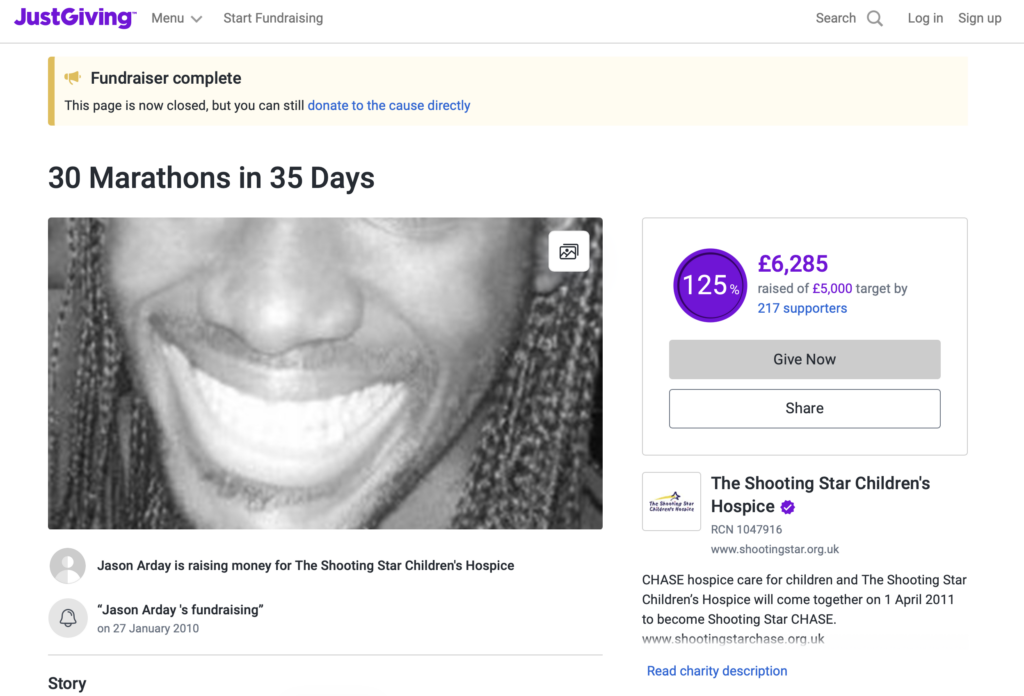
A JustGiving page created in January 2010, months before the challenge began, records Arday’s plan to complete 30 marathons in 35 days for Shelter and the Shooting Star Children’s Hospice. It remains online and records £6,285 in donations, plus Gift Aid.
Local newspapers then reported on the challenge while it was taking place.
On 13 August 2010, Your Local Guardian reported that Arday was approaching his target. Shooting Star’s director of fundraising and marketing, Kim Darton, was reported to have accompanied him by bicycle throughout his 24th marathon. Contemporary campaign material also documents the runs sequentially.
Then, on 25 August — three days after the scheduled finish — the Richmond and Twickenham Times reported that Arday had completed the challenge and raised more than £6,000.
In other words, this was not a spectacular feat invented retrospectively after Arday became famous.
It was being documented in real time in 2010.
And then there is the “broken leg”
This may be an even more revealing example of how Arday’s own words became distorted.
Numerous articles eventually mocked the supposedly incredible claim that Arday had run nine marathons on a “broken leg”.
The problem is simple:
That isn’t what Arday said.
The contemporaneous terminology was a hairline fracture.
On 25 August 2010, the Richmond and Twickenham Times reported that Arday had completed the challenge despite daily ice baths and a “hairline fracture to his leg”.
Two years later, the story appeared again, this time from one of the world’s most famous sportsmen.
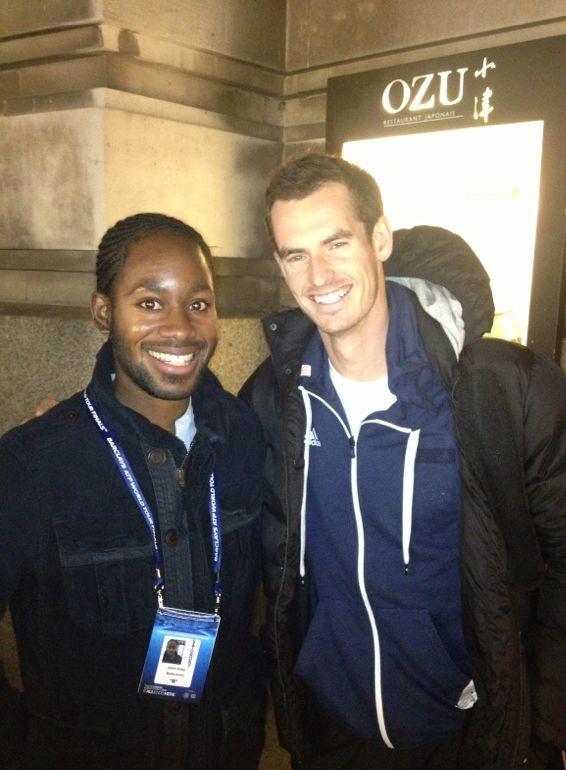
After meeting Arday in 2012, Andy Murray told reporters that Arday had described suffering an epileptic seizure during the challenge, falling and sustaining “a hairline fracture in his leg”, before continuing.
That’s a massively different claim.
It demonstrates that the fracture was part of Arday’s publicly documented account fourteen years before the 2026 controversy.
Yet by August 2026 the language had changed.
A Daily Mail article on 4 August described him completing nine marathons with “a broken leg”. The Sun subsequently used the same formulation, and on 8 August the Mail ran a headline stating that Arday had claimed to run nine marathons with a “broken leg”.

A hairline fracture is, medically speaking, a fracture of a bone. But that isn’t the point.
The allegation became that Arday himself had made the sensational claim that he ran nine marathons on a “broken leg”.
I can find no evidence that he did.
His documented terminology was considerably more specific: hairline fracture.
And the underlying fracture story was demonstrably not invented in 2026.
There remain legitimate questions about exactly when the injury occurred, its severity, the degree of swelling Arday later described and how many complete marathon distances he ran after sustaining it.
Those are reasonable questions.
But “Jason Arday claimed he ran nine marathons with a broken leg” is not an accurate representation of what the historical evidence shows.
“There’s no evidence he was autistic”
Another allegation deserves particularly careful treatment.
Arday said he was diagnosed with autism and global developmental delay at the age of three and remained largely non-verbal until he was 11.
Critics subsequently pointed to the absence of publicly available medical documentation as reason to doubt his diagnosis.
But medical records are private.
The fact that journalists cannot locate a person’s childhood diagnostic paperwork on the internet is not meaningful evidence that the diagnosis never happened.
More importantly, there is corroborating evidence for significant special educational needs during Arday’s childhood.
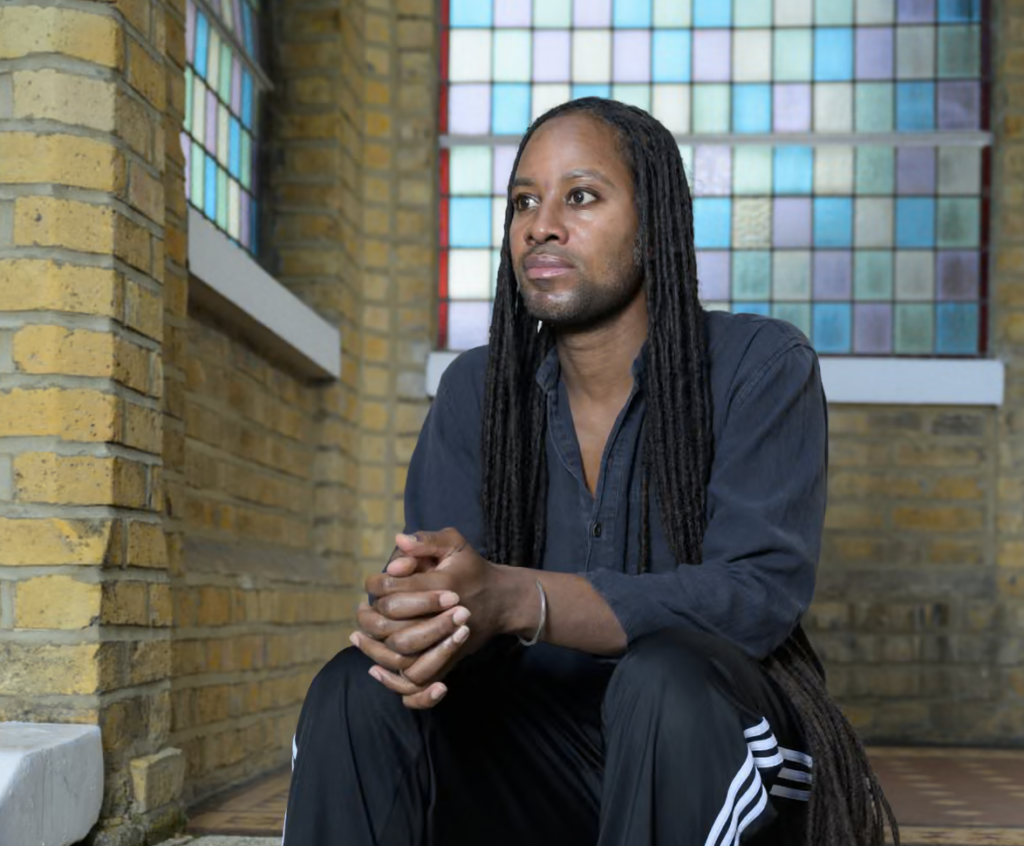
When The Guardian investigated claims that Arday had been non-verbal, it found conflicting recollections. Two former pupils remembered him speaking.
But two others remembered precisely the opposite.
Childhood friend Nick Clark recalled Arday not speaking and being regularly removed from lessons for additional support.
Clark’s mother, Caroline Russell-Clark, said she volunteered at Arday’s primary school and had specifically been asked to help the three-year-old Jason because he had “serious learning difficulties”. She said he never spoke to her.
Another schoolfriend, Mike Freeman, similarly recalled Arday not speaking during primary school and being regularly removed from class because of his educational needs.
None of that constitutes a publicly available diagnostic certificate.
Nor does receiving special educational support, by itself, prove somebody had a formal autism diagnosis.
But it does make the sweeping claim that there is “no evidence” supporting Arday’s account extremely difficult to defend.
There is evidence.
There simply isn’t a publicly released medical record; something we would not ordinarily expect to exist for any living or deceased public figure.
The football story survived scrutiny too
Arday’s sporting background also became part of the “fantasist” narrative.
Yet records subsequently located show a Jason Arday playing in goal for Lewisham Borough.
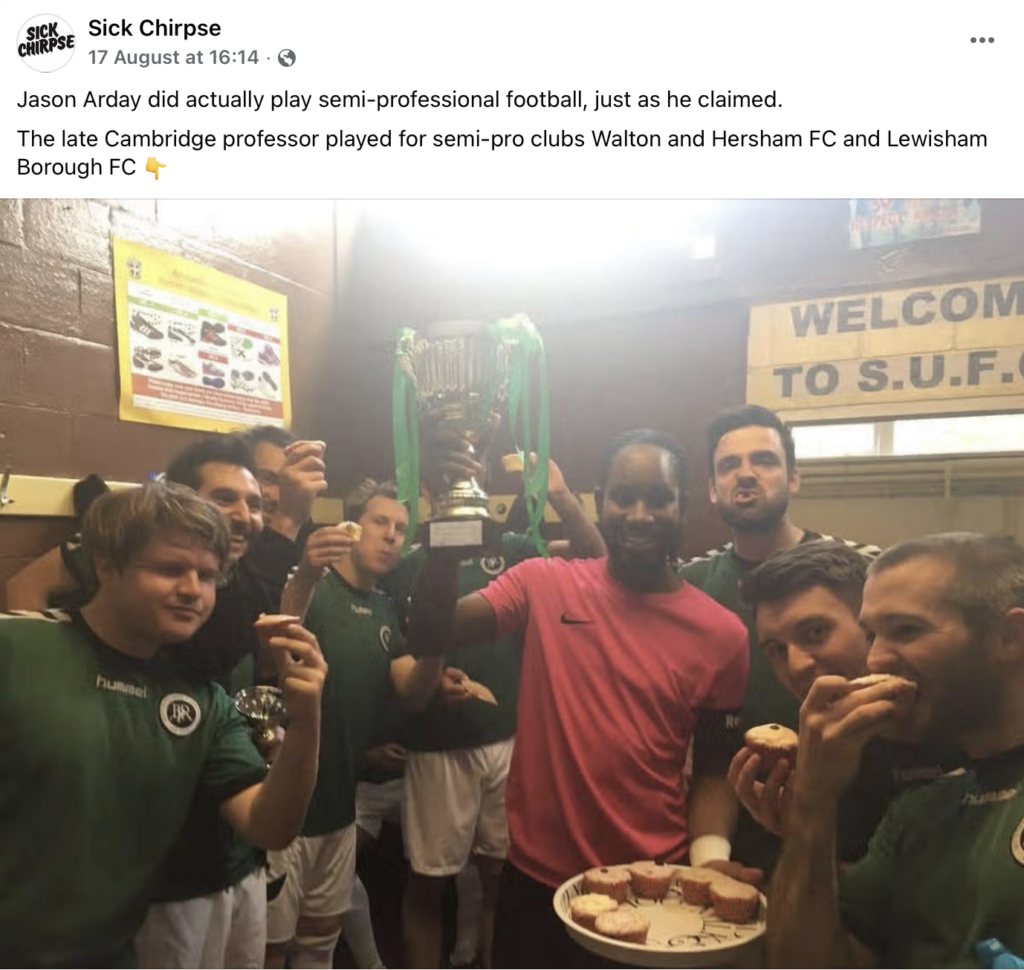
The Football Association’s Full-Time database lists Dr Jason Arday among Lewisham Borough’s players, while a 2018 Kentish Football report records the club’s manager discussing goalkeeper Jason Arday being unavailable after breaking a rib against Lydd.
Middle East Eye subsequently reported evidence of Arday playing for both Lewisham Borough and Walton & Hersham, clubs operating within the semi-professional/non-league system.
Again, a claim that looked amusing when treated as another supposedly invented achievement becomes considerably less amusing once somebody checks the records.
What about the plagiarism?
This is where the story requires the most nuance.
There are substantial textual similarities between Arday’s 2015 doctoral thesis and earlier academic work, particularly the 2009 thesis of Paula Zwozdiak-Myers.
Those similarities are real and academics are entirely entitled to question them.
But there is an equally important fact that was sometimes reduced to a footnote during the controversy:
Arday was formally investigated over them.
Liverpool John Moores University, which awarded his doctorate, convened an academic misconduct process. It did not uphold a finding of plagiarism.
The panel concluded that citation problems amounted to “honest and reasonable error” and that the textual overlap examined was within the academic standards applicable at the time. It also accepted that Arday’s doctoral supervision had been seriously deficient.
That decision can be criticised. Academics have criticised it, and some believe the evidence warrants further investigation.
But describing somebody as a proven or “serial” plagiarist when the institution that investigated the thesis did not find plagiarism is considerably stronger than the evidence permits.
The same problem appears elsewhere.
Arday produced 33 peer-reviewed papers. Two underwent substantial corrections following concerns over attribution and research-data handling.
Neither was retracted.
Recent reporting by Byline Times found that the publishers involved, MDPI and Taylor & Francis, investigated the relevant papers but did not establish plagiarism or data fabrication.
A correction is not the same thing as a retraction.
And academic mistakes, even serious ones, are not automatically evidence of deliberate fraud.
That does not mean every allegation was false
There are still unresolved and contradictory elements of Arday’s story.
Universities disputed some visiting professorships attributed to him. Questions remain around his larger fundraising totals and some of his extreme-distance running claims. Other autobiographical accounts and allegations of harassment have also produced conflicting evidence.
Those issues should not be rewritten simply because other allegations have proved weaker than first presented.
Fact-checking works both ways.
But nor should legitimate discrepancies be used to justify treating everything else a person ever said as presumptively false.
That is essentially what happened to Jason Arday.
Once the “fantasist” narrative became established, ordinary evidential standards appeared to reverse. Instead of an allegation requiring evidence that it was false, Arday was increasingly expected to produce documentary proof that extraordinary events from decades earlier had occurred.
No X-ray available online? The fracture must be invented.
No childhood diagnostic report available to journalists? Perhaps he was never autistic.
No race timing database? The marathons probably never happened.
No readily searchable football career? Another fantasy.
And yet, when researchers went back and actually looked, contemporary newspapers, fundraising records, witnesses, football databases and archived material began appearing.
The verdict?
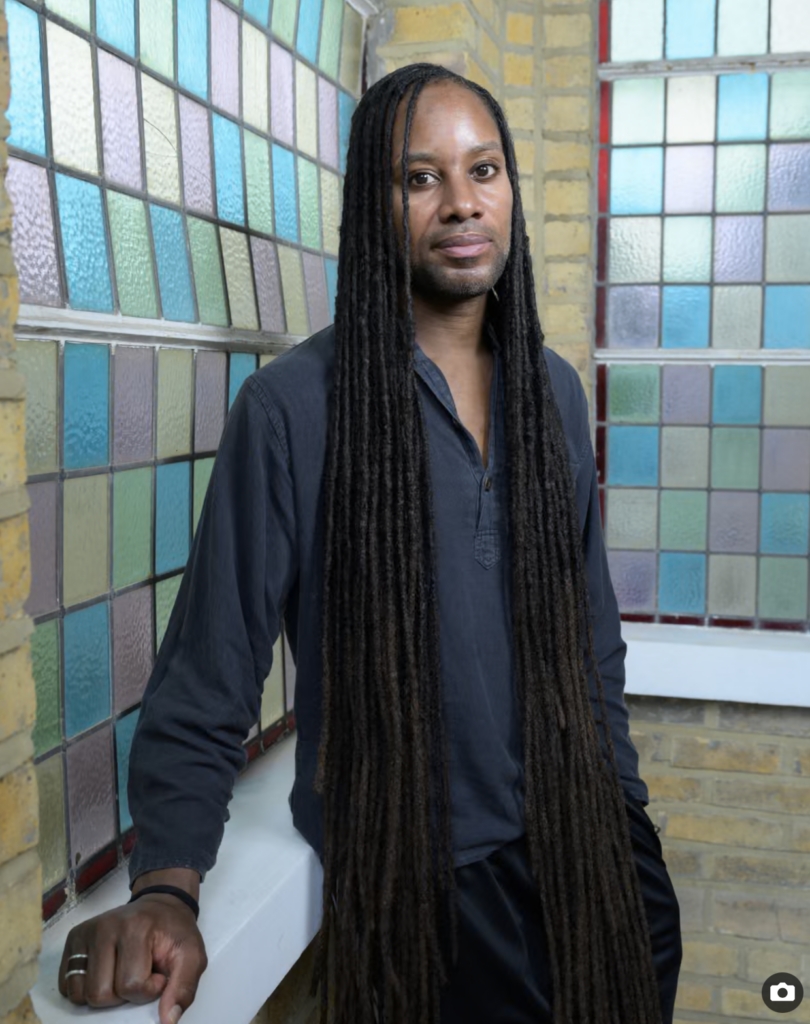
Jason Arday’s history is complicated.
There were genuine errors in his academic work. There were genuine inconsistencies in parts of his public biography. Some claims remain unverified and some deserve continued scrutiny.
But that is very different from the portrait that eventually dominated public discussion: a serial plagiarist and compulsive fantasist whose extraordinary achievements dissolved the moment anybody bothered checking them.
Several of those achievements have done the opposite.
The 30-marathon challenge has substantial contemporaneous documentation.
The claim that he suffered a hairline fracture dates to 2010, with the same account being relayed publicly by Andy Murray in 2012.
The “broken leg” formulation appears to have been a later media characterisation rather than Arday’s own claim.
His football history has documentary support.
His account of significant childhood educational and communication difficulties is backed by multiple people who knew him at the time.
And the academic misconduct allegations most frequently presented as proof that he was a “serial plagiarist” produced corrections; but no institutional finding that Jason Arday had committed plagiarism.
That does not make every claim Jason Arday ever made true.
It does, however, make one claim increasingly difficult to sustain…
that we already knew he was a fantasist.